
IV and Oral Sedation Dentistry in the South Hills of Pittsburgh
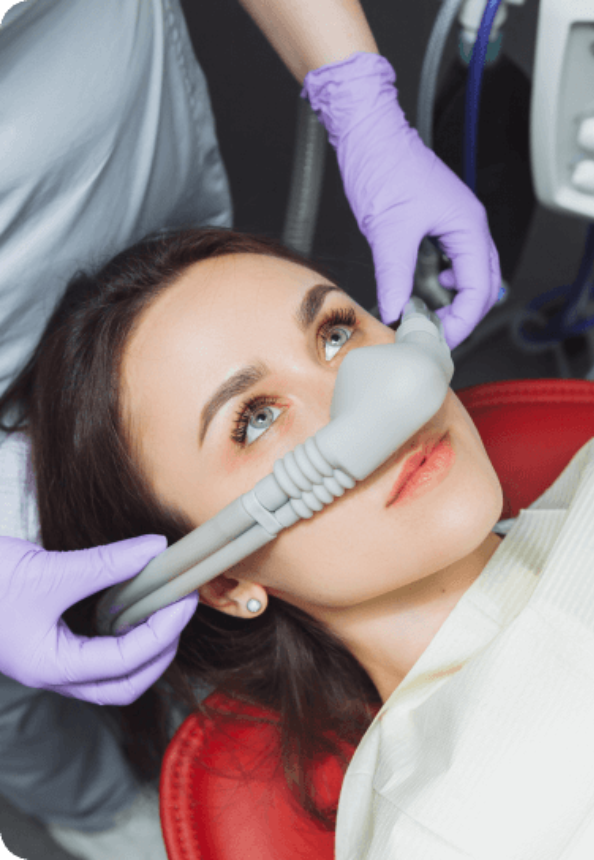
Sedation dentistry uses medicine to help you relax during dental treatment. At Poling Family Dental Care in Whitehall, we offer two kinds. Oral sedation is a pill you take before your visit, and IV sedation goes in through a small line in your arm or hand. IV sedation is given by our nurse anesthetist, while Dr. William Scott Poling performs your dental treatment.
If you have put off the dentist for years, you are not alone, and you do not owe anyone an explanation. Some people had a painful visit as a child, some gag easily, and some just feel trapped in the chair. Whatever the reason, the hardest part is often the phone call.
Dr. Poling has 20 years in practice. Before dentistry, he served as a U.S. Navy hospital corpsman with the Fleet Marine Force during Operation Desert Storm. He talks you through your options without judgment and does not rush you into treatment. Dr. Poling is a general dentist.
Call (412) 882-1320 to talk about sedation. We are open Monday, Wednesday, and Friday, 7 a.m. to 5 p.m.
What is sedation dentistry, and who is it for?
Sedation dentistry is the use of calming medicine so you can get dental care while relaxed. You stay able to breathe on your own and respond, but the worry fades and time seems to pass quickly. Dr. Poling still uses local numbing to block pain, so sedation handles the anxiety while the numbing handles the discomfort.
Sedation also helps people who are not especially afraid. It can help when a long visit would be hard to sit through. Dr. Poling uses it for implant surgery, extractions, and visits that combine several treatments.
You might be a good fit for sedation if:
- Fear of the dentist has kept you away for a long time
- You have a strong gag reflex
- Numbing shots have not worked well for you in the past
- You need a long procedure, such as dental implants
- You would rather finish several treatments in fewer visits
If any of these sound like you, mention it when you call. Our team will note it so Dr. Poling can discuss sedation at your first visit.
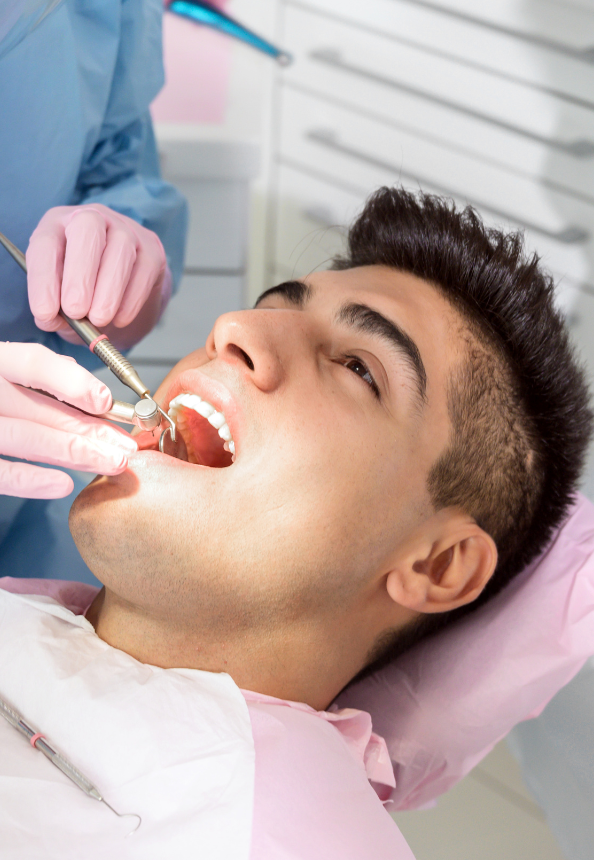
How do oral and IV sedation differ?
Oral sedation is a prescription pill you take before your appointment, so it takes effect over time and can’t be adjusted much once it starts. IV sedation goes straight into a vein, so it works within minutes. Our nurse anesthetist can raise or lower it during the visit. IV sedation is usually the choice for longer or more involved procedures.
|
|
Oral sedation
|
IV sedation
|
|---|---|---|
|
How you get it
|
A pill before your visit
|
Through a small line in your arm or hand
|
|
How fast it works
|
Over 30 to 60 minutes
|
Within a few minutes
|
|
Adjusted during the visit
|
Very little
|
Yes, as needed
|
|
How much you remember
|
Often little
|
Often very little
|
|
Need a driver home
|
Yes
|
Yes
|
Both options keep you breathing on your own. Neither is general anesthesia, where a patient is fully unconscious. Dr. Poling recommends one or the other based on your health, your level of worry, and the work you need. Some patients start with oral sedation for a cleaning or exam and choose IV sedation later for longer work, once they know what to expect.
Why avoiding the dentist can cost more later
Dental problems almost never fix themselves, and most get bigger with time. Tooth decay and gum disease often cause no pain in the early stages, so a problem can grow quietly for a year or more before it hurts. A small cavity that needs a filling today can reach the nerve over months, which can turn it into a root canal and crown. Gum disease that a cleaning could control can loosen teeth over the years. Each step tends to take more time and cost more.
That is why sedation matters for more than comfort on a single day. For many patients, it is the thing that makes regular care possible again, so small problems stay small.
If you have avoided care for a long time, the first visit does not have to involve treatment. Dr. Poling can start with an exam and X-rays, show you what he sees, and then plan the work around sedation if you want it.
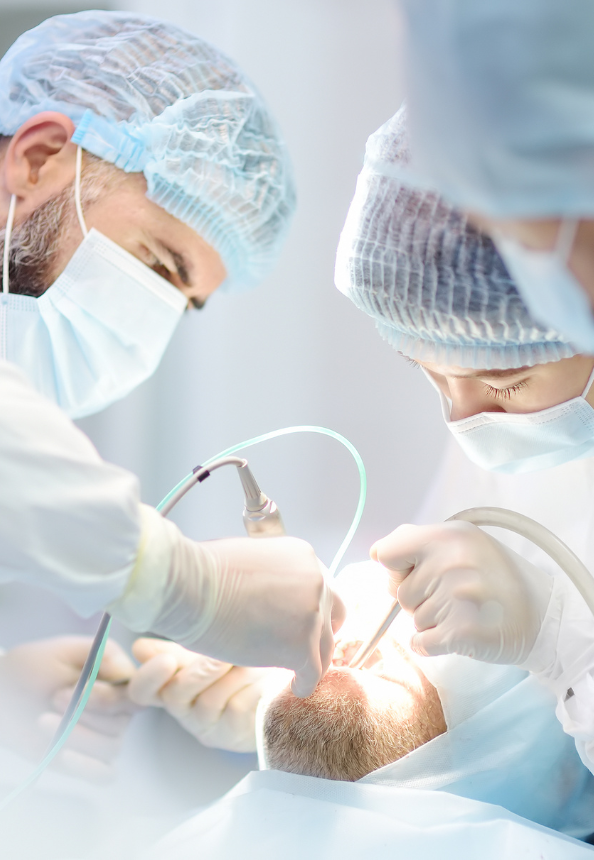
Am I a candidate for sedation?
Most healthy adults can safely receive oral or IV sedation after a health review. Dr. Poling looks at your medical history, current medicines, allergies, and any breathing or heart conditions before he recommends sedation. Some patients need clearance from their physician first. A few are better served without sedation, and he will tell you if that is the case.
Tell us about any of these before your visit:
- Sleep apnea, asthma, or other breathing problems
- Heart conditions or high blood pressure
- Pregnancy or the chance you could be pregnant
- Medicines for sleep, anxiety, pain, or mood
- Any past reaction to sedation or anesthesia
None of these automatically rules you out, because they mainly help Dr. Poling and our nurse anesthetist choose the safest type and dose for you. Bring a full list of your medicines, including supplements, to the consultation. If you see a physician for a heart or lung condition, bring their name and phone number too, in case Dr. Poling wants to check with them.
What to expect on a sedation visit, step by step
A sedation visit follows the same basic steps each time. You get written instructions ahead of time, arrive with an adult who will drive you home, receive the sedation, and have your treatment while we watch your vital signs. Then you rest at home for the remainder of the day while the medicine wears off.
Before your visit
Dr. Poling reviews your health history and gives you written instructions. They tell you when to stop eating and drinking and which regular medicines to take. Arrange for an adult to drive you home and stay with you for a few hours.
When you arrive
We check your blood pressure, pulse, and oxygen level. For oral sedation, you may take your pill here or at home, as instructed. For IV sedation, our nurse anesthetist places a small line in your arm or hand. Most people feel only a quick pinch as it goes in.
During treatment
Once you feel relaxed, Dr. Poling numbs the area and starts the work. Our team watches your breathing, pulse, and oxygen the whole time. Under sedation, time often seems to pass quickly, even during a long visit.
Going home
When you are steady enough, your driver takes you home. Plan to rest for the remainder of the day. Do not drive, work machinery, drink alcohol, or sign important papers for at least 24 hours.
How much does sedation cost, and does insurance cover it?
The cost of sedation depends on the type and how long your visit lasts. We give you the fee in writing before your appointment, so there are no surprises. For full-arch implant cases, our $25,795 per-arch fee already includes anesthesia. Many dental plans cover sedation only for certain procedures, such as some oral surgery.
Fees shown are our standard fees. Actual cost may vary based on individual clinical needs and insurance participation.
We participate with most PPO plans. Our team checks whether your plan pays toward sedation for your procedure and tells you your share ahead of time. If you want to spread out payments, we work with CareCredit, Cherry, and Sunbit, and each lender sets its own terms after you apply.
Why patients choose Poling Family Dental Care for sedation
Sedation only helps if you trust the person giving it. These points explain how sedation works at our Whitehall office. Each one reflects how our office handles sedation, and you can ask about any of them at your first visit.
A nurse anesthetist for IV sedation
IV sedation at our office is given by a nurse anesthetist, a nurse with advanced training in anesthesia. That lets Dr. Poling focus on your treatment while a dedicated professional manages your sedation and watches your vital signs.
More work done in fewer visits
When it makes sense for your health, Dr. Poling can combine several treatments into one sedation visit. That can mean fewer days off work and fewer trips to the office.
Sedation for implant surgery
Dr. Poling places and restores dental implants. Patients who need implants, extractions, or bone grafting can have that work done under sedation in the same office.
A medical background that started in the Navy
Dr. Poling served as a U.S. Navy hospital corpsman before he trained as a dentist. He earned a master’s degree in anatomy at the WVU School of Medicine before dental school.
No lectures about how long it has been
You will hear about your options, not about how long you stayed away, because starting again is the point.
How do you recover after sedation?
Most people feel drowsy for several hours after sedation and are back to normal the next day. Plan to rest at home with an adult nearby for the first few hours. Drink water, eat something light once you are fully awake, and follow any instructions for the treatment you had. Do not drive for at least 24 hours.
Some people feel a little sore where the IV line was placed, and that usually fades within a day or two. If you notice redness that spreads, call us.
Call our office at (412) 882-1320 if you have any concern after your visit. Established patients can reach our 24/7 answering service after hours, and they can reach Dr. Poling when the office is closed. If you ever have trouble breathing or another emergency, call 911.
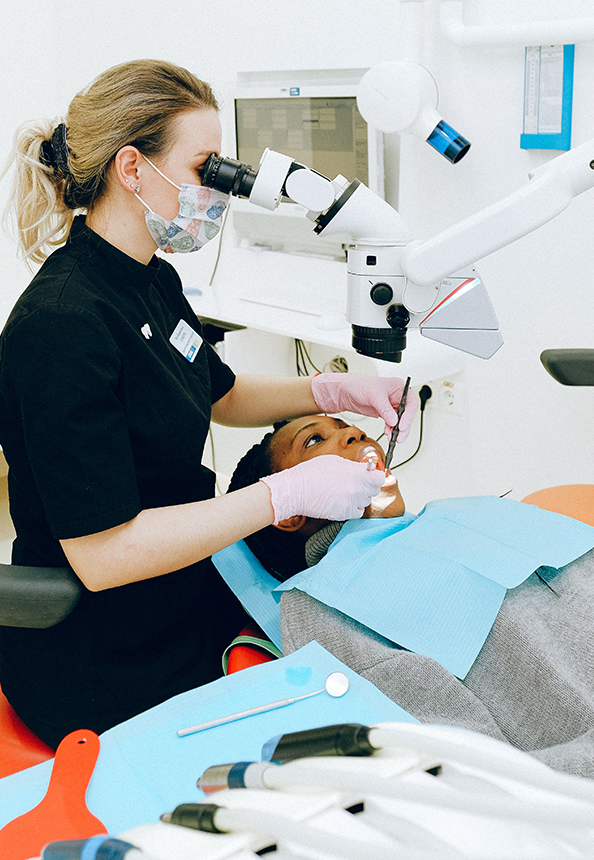
Sedation dentistry in Whitehall and the South Hills
Poling Family Dental Care is at 300 Weyman Rd., Suite 260, Pittsburgh, PA 15236, in Whitehall. We see patients from Baldwin, Bethel Park, Pleasant Hills, Mt. Lebanon, Brentwood, and South Park. Our hours are Monday, Wednesday, and Friday, 7 a.m. to 5 p.m. Call (412) 882-1320 to ask about sedation.
The practice has cared for South Hills patients since 1985. Dr. Poling bought it in 2020 and is the only dentist here, so the dentist you meet at your consultation is the dentist who treats you.f Our office is wheelchair accessible. When you call, tell our team you are interested in sedation, and we will set aside enough time at your first visit to talk it through without rushing.
If fear has kept you away, start with a phone call. Our team will listen, answer your questions, and book a first visit at your pace. Call Poling Family Dental Care at (412) 882-1320 to meet Dr. Poling.
Frequently asked questions
Will I be asleep during IV sedation?
No. IV sedation relaxes you deeply, and you may drift in and out, but you can still breathe on your own and respond when spoken to. Many patients remember very little of the visit afterward. This differs from general anesthesia, where a patient is fully unconscious and needs help breathing.
Is IV sedation safe?
No. IV sedation relaxes you deeply, and you may drift in and out, but you can still breathe on your own and respond when spoken to. Many patients remember very little of the visit afterward. This differs from general anesthesia, where a patient is fully unconscious and needs help breathing.
Can I drive myself home after oral sedation?
No. Oral sedation can affect your judgment and reaction time for hours, even if you feel fine. You need an adult to drive you home and stay with you for a few hours. Plan not to drive, drink alcohol or make important decisions for at least 24 hours after any sedation.